
 Jack Champaigne Receives the Purdue College of Engineering 2025 Distinguished Engineering Alumni AwardJack Champaigne Receives the Purdue College of Engineering 2025 Distinguished Engineering Alumni Award
» Continue Reading
 ICSP14 Papers Available for DownloadThe papers from the 14th International Conference on Shot Peening (ICSP14) are now available at www.shotpeening.org.
» Continue Reading
 Jack Champaigne, South Bend Hall of Fame Class of 2023Jack Champaigne, president of Electronics Inc., is to be inducted into the South Bend Community Hall of Fame. The induction and awards banquet will be held at the Century Center in South Bend, IN, on October 10, 2023.
» Continue Reading
 Purdue Students Present Almen Strip StudyEngineering students at Purdue University recently presented their Almen strip study in a poster session.
» Continue Reading
ICSP14 Extends Abstract Submission DeadlineThe abstract submission deadline has been extended to March 7th. Visit www.ICSP14.org for submission details.» Continue Reading
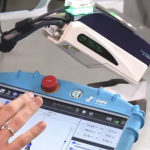 sentenso releases StressEasysentenso has released StressEasy—a user-friendly, residual stress analysis and automation with the X-ray diffractometer µ-X360s.
» Continue Reading
ICSP-14 Has Been PostponedDue to the persistence of COVID-19 worldwide, ICSP-14 has been postponed to September 13-16, 2022. More information will be forthcoming at www.icsp14.org.» Continue Reading
 Online Webinar Courses from NadcapPRI Training will be offering online training courses March 1 – 4, 2021. Space is limited; secure your seat at a discounted price.
» Continue Reading
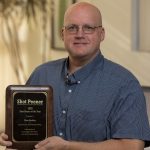 Dave Barkley is the 2020 Shot Peener of the YearDave Barkley, Director of EI Shot Peening Training, is the 2020 Shot Peener of the Year.
» Continue Reading
 2020 US Shot Peening SeminarSouth Bend, Indiana – October 27-28 Our standard US Workshop and Tradeshow has been canceled due to complications caused by the COVID-19 pandemic. We have created a smaller “pop-up” event that will be held in South Bend, Indiana for those that need training. We ask that you register right away if you plan to come. […]
» Continue Reading